
Turkey
Welcome to Türkiye, a vibrant tapestry of culture where the rich traditions of the Ottoman and Byzantine empires live on in the aromatic spice bazaars, majestic mosques, and unmatched warmth of Turkish hospitality.
Turkey
Welcome to Türkiye, a vibrant tapestry of culture where the rich traditions of the Ottoman and Byzantine empires live on in the aromatic spice bazaars, majestic mosques, and unmatched warmth of Turkish hospitality.
Best Time to Visit
April to June, September to November
Gateway Airport
Istanbul (IST) orDalaman(DLM)
Language
Turkish, English widely spoken
Currency
Turkish Lira (TRY)
GMT +3
Time Zone
Turkey with Solaya
Turkey moves at two different speeds, and a complete journey holds both. Istanbul is dense, layered, and alive at every hour, a city where Byzantine mosaics sit beneath Ottoman minarets, where the Bosphorus divides two continents within sight of each other, where the call to prayer and the clatter of a spice bazaar arrive in the same breath. Then the country opens. Cappadocia's volcanic fairy chimneys rise from a silence Istanbul never offers. The Turquoise Coast unfolds in hidden coves, sunken cities, and water so clear it erases the need for anywhere else.
There are many incredible places to explore in Turkey. Here are some of our favorites.
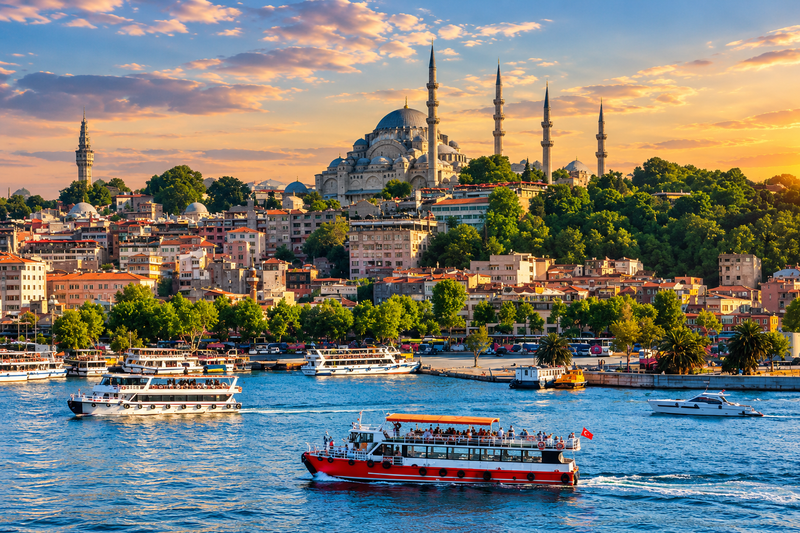
4 Days / 3 Nights
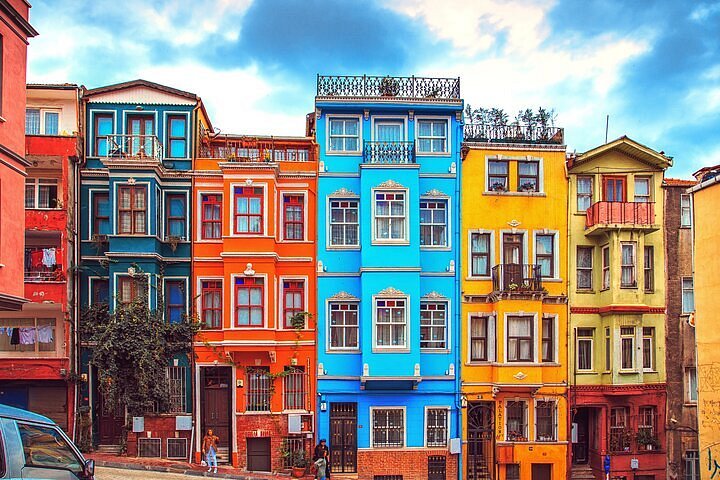
7 Days / 6 Nights
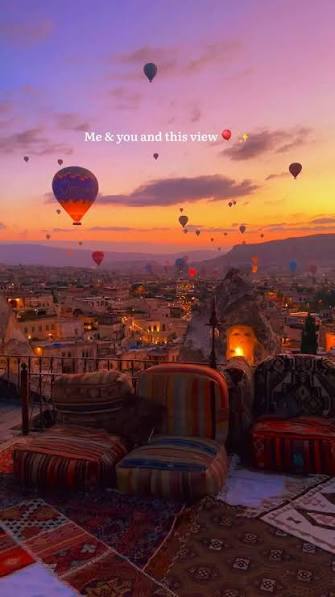
9 Days / 8 Nights

Turkey holds more range than almost any country in the region, a city where two continents meet, a landscape of volcanic fairy chimneys, a coastline of hidden coves and sunken cities. Solaya itineraries are built to move through all of it without losing depth in any single chapter, a Sufi ceremony in Istanbul, a sunrise balloon over Cappadocia, a sunset dinner above ancient ruins on the Turquoise Coast. This isTurkeyexperienced in full, not in fragments

Tailor-Made & Seamless
Every journey built aroundyou,every detail handled without friction.

Exclusive Access
Private entries, after-hoursvisits, and experiencesclosedto the public

Authentic, Local & Expert-Led
Real encounters guided by genuine local and expert insight.

Responsible Travel
Journeys that respect the places, people, and cultures we visit.
By Solaya
Turkey'sfinest properties, curated by Solaya and ready to be woven into any itinerary. From Ottoman-era palaces in Istanbul to cave hotels in Cappadocia and boutique retreats along the Turquoise Coast, these are the addresses we trust and the ones our clients return to.

Museum Hotel Cappadocia
Cappadocia

Argos in Cappadocia
Cappadocia

Four Seasons Hotel Istanbul at Sultanahmet
Istanbul

The Ritz-Carlton, Istanbul
Istanbul

Çırağan Palace Kempinski
Istanbul

D-Hotel Maris
Marmaris

Six Senses Kaplankaya
Bodrum

Hillside Beach Club
Fethiye